Friday, 5 September 2014

ITALY’S DEPUTY SENATE LEADER CLAIMS TO BE CURSED BY AFRICAN ‘SPIRITS’

ITALY’S DEPUTY SENATE LEADER CLAIMS TO BE CURSED BY AFRICAN ‘SPIRITS’


September 3, 2014 — The Italian politician who caused widespread outrage after comparing the country’s first black minister, Cécile Kyenge, to an orang-utan, now claims he is under the curse of African spirits following a string of misfortunes he believes are linked to a video showing a ceremony performed by people believed to be Kyenge’s relatives

Italy's Deputy Senate Speaker, Roberto Calderoli. Photo: Tony Gentile/Reuters
Italy’s Deputy Senate Speaker, Roberto Calderoli. Photo: Tony Gentile/Reuters
Deputy Senate Speaker Roberto Calderoli caused national and international fury when he said the then Integration Minister, Cécile Kyenge, looked like an orangutan. Following the outrage, he gave a lukewarm apology but refused to resign.
Last week, The Independent reported that he was also seeking ‘spiritual’ advice following the release of video “evidence” from the Democratic Republic of Congo where Kyenge’s father – who is said to be a “tribal leader” – is depicted performing a ritual that put a ‘macumba‘ on Calderoli as punishment for the insult.
Cécile Kyenge. Photo: European University Institute
Here is the video of the supposed ritual where Ms Kyenge’s father, Clement Kikoko Kyenge, leads a ceremony in the village of Katanga, in the DRC. In the video, he prayed to God for the “racist politician” to repent. A less orthodox part of the service saw Mr Kyenge place a photo of the Deputy Senate Speaker on an enclosed termite mound, while seeking to communicate with the spirits of the elders (Narrated in Italian):
 
The Speaker claims to have suffered the following misfortunes in the wake of the curse:
  • Six surgeries – two of them saved his life
  • The death of his mother
  • Fractured bones
  • The discovery of a six-foot snake in the kitchen of his house in northern Italy
These events prompted Calderoli to seek the services of an unnamed mystic.
Calderoli told Oggi magazine, who filmed the event: “The photos and the video were unsettling. They put a picture of me in the middle of a termite mound. That is not a friendly message.”
Mr Kyenge commented about the snake in the kitchen saying it’s a bad omen. “A snake in the house is not a good sign and I’m not sure Calderoli did well to kill it,” he said. “If when he apologised to Cécile he was sincere, he can feel comfortable. If, however, those excuses were insincere, the ancestors might become angry.”
Following Mr Calderoli’s comments against Ms Kyenge last year, racist protesters threw bananas at her during a public appearance.
udumakalu.wordpress.com/2014/09/04/italys-deputy-senate-leader-claims-to-be-cursed-by-african-spirits/

Wednesday, 27 August 2014

Calderoli insiste: "Su di me macumba".

Calderoli insiste: "Su di me macumba". Papà Kyenge: "Hai fatto innervosire antenati"

L'ex ministro leghista: "Negli ultimi tempi mi è capitato di tutto, chiedo la revoca del rituale". Clement Kikoko Kyenge effettuò un rito tribale dopo alcune frasi razziste dell'esponente leghista. Kyenge: "Sono cattolica, non credo a queste cose"
MILANO - "Non sono mai stato superstizioso ma dopo la macumba che mi ha fatto il papà della Kyenge  mi è capitato di tutto e di più". Roberto Calderoli insiste e rilancia una storia che assomiglia sempre di più alla sceneggiatura di un film tragicomico. Intervistato dal settimanale Oggi l'esponente leghista rilancia le accuse rivolte al padre dell'ex ministro dell'Integrazione Cecile Kyenge.

"Sei volte in sala operatoria, due in rianimazione, una in terapia intensiva, è morta mia mamma e nell'ultimo incidente mi sono rotto due vertebre e due dita" ricorda l'ex ministro, reduce dalle fatiche parlamentari dove è stato relatore di maggioranza del ddl Riforme al Senato e sono in molti a ricordarlo con il braccio fasciato durante le sedute.

Dopo le disgrazie che gli sono accadute nei mesi scorsi, l'ex ministro leghista lancia un appello al padre della Kyenge: "Forse è il caso di mandare un messaggio distensivo a papà Kyenge per chiedergli la revoca del rituale che mi fece".

Pochi giorni fa Calderoli era stato protagonista di un altro episodio inquietante: aveva diffuso in rete le foto di un serpente di due metri trovato nella sua cucina e prontamente ucciso.

"Non sono mai stato superstizioso ma dopo la macumba che mi ha fatto il papà della Kyenge mi è capitato di tutto e di più", aveva postato su Fb alcuni giorni fa l'ex ministro, che continuava: "Non so se devo mettere un annuncio sul giornale o chiamare direttamente Bergoglio, sempre che non sia troppo occupato a sistemare gli immigrati a casa nostra, ma io devo trovare assolutamente un esorcista. Se qualcuno ha numeri di telefono o mail di esorcisti li aspetto con gratitudine...".

Il rituale del padre della Kyenge arrivò dopo le dichiarazione shock del luglio scorso dell'ex ministro leghista, che alla festa leghista di Treviglio paragonò l'allora ministro dell'Integrazione "ad un orango", salvo poi scusarsi pubblicamente.

Clement Kikoko Kyenge, raggiunto in Katanga (Repubblica democratica del Congo) dal settimanale Oggi, decise allora di compiere un rito tribale su di lui "affinchè gli avi lo liberassero da cattivi pensieri e parole offensive, usando parole di tolleranza e non di vendetta".

Evidentemente le rassicurazioni sull'effetto positivo del rituale non sono bastate a Calderoli, che insiste: "Le foto e i video di Oggi erano inquietanti: avevano messo una mia foto in mezzo ai termitai. Non è un messaggio amichevole. Dopo quel rito alcuni colleghi napoletani mi regalarono un cornetto di corallo: due giorni dopo, senza una pressione di nessun genere si è spezzato in due. Una maga ha visto forze tremende in azione attorno a me".

Il settimanale ha raggiunto telefonicamente lo stesso Clement Kikoko Kyenge, che dice: "Un serpente in casa non è un bel segnale e non sono sicuro che Calderoli abbia fatto bene a ucciderlo... Se quando lui ha chiesto scusa a Cecile era sincero, può stare tranquillo. Se invece quelle scuse sono state frutto di calcolo e convenienza, gli antenati potrebbero innervosirsi".

Alle parole di Calderoli ha replicato dalle colonne di Affaritaliani.it la Kyenge, oggi eurodeputata del Pd, infastidita dalle affermazioni del vicepresidente del Senato: "Mi chiedo che religione pratichi il senatore Calderoli. Io sono cattolica per cui non credo a tante altre pratiche o tanti altri riti. Che per me non esistono, per cui non sto dietro a queste sue esternazioni che secondo me vanno anche contro le credenze".

Kyenge ha negato che sia mai stata fatta alcuna macumba da parte di suo padre che anzi, sottolinea, "gli ha rivolto un gesto di perdono e di accoglienza". Un perdono che però non eviterà al vicepresidente del Senato il processo per dichiarazione aggravata da odio razziale. "Il 30 c'è il processo e ci troviamo lì" ha concluso l'ex ministro.
http://www.repubblica.it/politica/2014/08/26/news/calderoli_padre_kyenge_macumba-94470001/?ref=HRER2-1

Friday, 4 July 2014

The Power (and Weakness) of African Passports

The Power (and Weakness) of African Passports

July 3, 2014 — 

With geopolitics playing in, travellers from some countries get more travel freedom than others, a new ranking shows.

passport_montage2

Making waves in the travel world this week: a ranking of the globe’s most powerful passports that reveals the comparative weakness of many African ones.
Even in the digital age, passports haven’t changed much in form. The 3-by-5-inch booklets vary in little except color. But they entitle bearers from different countries very different levels of travel freedom.
GOOD Magazine, a U.S.-based quarterly emphasizing global citizenship, released an infographic — a map and accompanying list—of the rankings based on how many countries citizens of each country can travel to freely.
Infographic from GOOD Magazine detailing the areas with most powerful passports in blue, least powerful in the palest colours
Infographic from GOOD Magazine detailing the areas with most powerful passports in darker colours, least powerful in the palest colours
On the map, the more travel freedom a country’s passport allows, the darker it appears in color. The less freedom it allows, the lighter in color. Like a huge swath of Asia and the Middle East, the continent of Africa appeared largely pale.
The most powerful African passport is Mauritius, with open travel to 126 countries, then next is the Seychelles, open to 123. South Africa’s is the third most powerful, which receives open travel to 94 countries. The least is Somalia’s, with 32, followed closely by Eritrea’s, with 36. Passports from many African countries allow free and open travel to between 40 and 60 other nations.
Worldwide, the most powerful passports are from the United Kingdom, Finland, and Sweden. They each get open travel to 173 countries. (The United States, which bans most travel to Cuba, allows open travel to 172.) The least powerful are from Afghanistan and Iraq, with 28 and 31, respectively.

Most Powerful African Passports

South Africa: 94
Botswana: 70
Kenya, Lesotho, Namibia: 68
Malawi: 67
Swaziland, Zambia: 66
The ranking exposes the geopolitics between nations, which play out in the requirements for visitors from certain other countries to obtain visas.
Essentially, passport grants authorization from a citizen’s own country to travel abroad. A visa means express permission from the desired destination to visit there.
Defined as “an endorsement on a passport indicating that the holder is allowed to enter, leave, or stay for a specified period of time in a country,” a visa requires a special application, a period of time, occasionally an interview, and often a substantial fee to receive.
Governments are coy about why visas are required. GOOD reports they reflect “the relationship between two nations, and a country’s stature relative to the rest of the world.”

Least Powerful African Passports

Somalia: 32
Eritrea: 36
Sudan: 38
Congo, Libya, South Sudan: 39
Angola, Dijibouti: 40
The Chicago Tribune goes further, saying the reason some countries require visas for visitors from certain other countries is simple. “Richer countries tend to make people from poor or war-torn countries get visas as an extra step to make sure visitors return to where they came from,” the newspaper reports. “Poor countries are more likely to admit people from rich countries without visas.
“Sometimes, it’s political,” the Tribune adds. “Experts view Brazil’s visa requirement and hefty fee for Americans as a retaliation for stringent visa requirements and an identical fee that Brazilian tourists must pay to visit the U.S.”
As the world stature of many African countries rises, and conflict-troubled countries settle into peace, African citizens can expect their passports to become more powerful. Stay tuned.
http://thisisafrica.me/lifestyle/power-weakness-african-passports/

Thursday, 26 June 2014

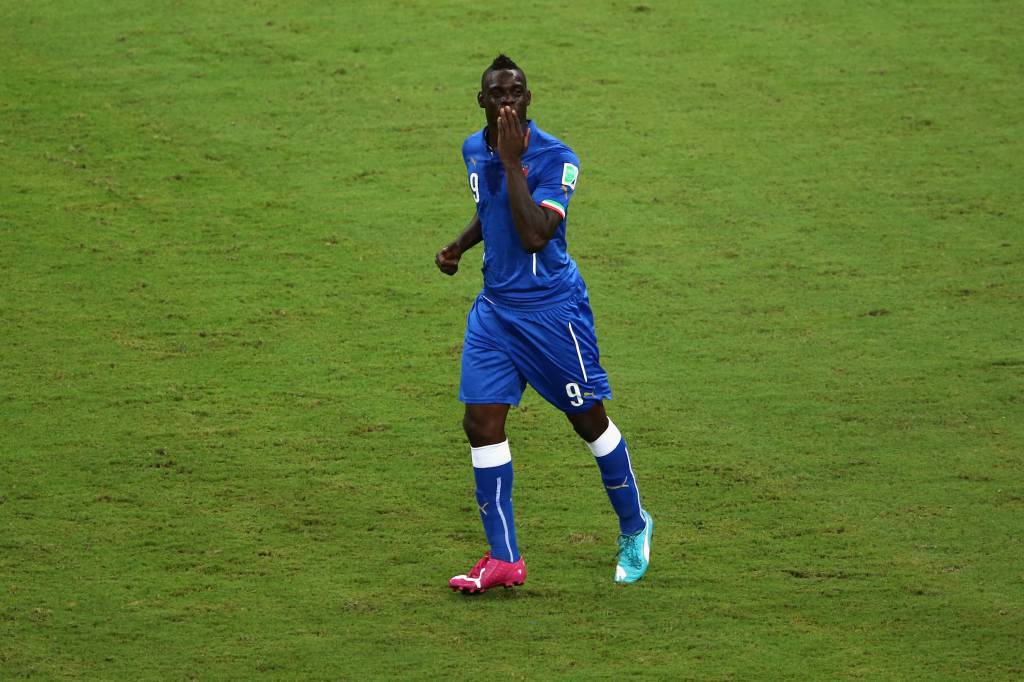
BALOTELLI:........IL CAPRO ESPIATORIO

balotelli1 670x446 Italia, Balotelli scrive una lettera: Ho la coscienza a posto, ho dato tutto! Italia, Balotelli scrive una lettera: ‘Ho la coscienza a posto, ho dato tutto!

ITALIA BALOTELLI LETTERA – Dopo gli attacchi ricevuti e le tante parole del day after, Mario Balotelli, attaccante della nazionale italiana, su Instagram ha scritto una lettera pubblica in cui si difende dalle accuse mosse contro di lui nelle ultime ore: “Sono Mario Balotelli ho 23 anni e non ho scelto di essere italiano. L’ho voluto fortemente perché sono nato in ITALIA e ho sempre vissuto in ITALIA. Ci tenevo fortemente a questo mondiale e sono triste arrabbiato deluso con me stesso. Si magari potevo fare gol con la Costa Rica avete ragione. Ma poi? Poi qual è il problema? Forse quello che vorreste dire tutti è questo? La colpa non la faccio scaricare a me solo questa volta perché Mario Balotelli ha dato tutto per la nazionale e non ha sbagliato niente a livello caratteriale. Quindi cercate un’altra scusa perché Mario Balotelli ha la coscienza a posto ed è pronto ad andare avanti più forte di prima e con la testa alta. Fiero di aver dato tutto per il Suo paese. O forse, come dite voi, non sono Italiano. Gli africani non scaricherebbero mai un loro ” fratello” . MAI. In questo noi negri, come ci chiamate voi, siamo anni luce avanti. VERGOGNA non è chi può sbagliare un gol o correre di meno o di più. VERGOGNOSE SONO QUESTE COSE. Italiani veri! Vero?”.
La redazione di Calciomercatonews.com
http://www.calciomercatonews.com/ultime-notizie/2014/06/25/italia-balotelli-scrive-lettera-coscienza-posto-dato-tutto/

Monday, 23 December 2013

AFRICAN COMMUNITIES IN ROME HOLDS MEMORIAL SERVICE FOR MANDELA

African communities in Rome last Saturday held a Memorial Service for the former President of South Africa Nelson Rolihlahla Mandela.
The Memorial Service kicked off at 16:30 at Piazza della Repubblica, where traditional African dances were held in honour of the departed African leader.

The Service was organised by Movimento degli Africani in Italia and Victor Okeadu, Adjunct Councillor of the City Council of Rome, in collaboration with the Embassy of South Africa.

Chief Steve Okey Emejuru, President of Orlu Senatorial Zone Cultural Association of Nigeria (Rome-Lazio), and a group of asylum seekers from Gambia, Mali, Senegal and Nigeria, made sure that all in the square danced to impromptu songs in praise of Mr. Mandela.

The traditional dance session was followed by Holy Mass at the Basilica del Sacro Cuore di Gesù, celebrated by Fr. Valerio Baresi, the Parish Priest.

Fr. Baresi thanked God for enabling the late Mandela to fight so that the world may become a just place, where everyone's human dignity is respected regardless of their race, colour, religion, economic status, etc.

He also thanked God for Mr. Mandela and for all who fight for freedom, justice and respect for all.

The altar was decorated with flowers and branches from South Africa. The choir of the Congolese Parish in Rome sang during the Holy Mass.

“It is bitter sweet indeed, to have lost a man who is surely one of the greatest South Africans to have ever lived, and yet I know that in heaven they welcome the return of a son,” said Ambassador Nomatemba Tambo of the Republic of South Africa in Italy.

In a message read on her behalf by South African Defence Attaché to Italy Col Sibonelo Lembede, Ambassador Tambo described Mr. Mandela as a man whose words were seen in his actions. “After 27 years of incarceration, he did not let it poison him, change his character, or seize him from rising time and time again. He was a man who, when challenged with adversity, did not falter and continued to thrive, not for himself, but for the nation as a whole.”

Ambassador Tambo went on to say that Mr. Mandela “was a man who was inspirational to all, as he fought for the equality of every person living under the African sun, regardless of race, gender, or religion.”

She also praised Mr. Mandela’s exceptional commitment to freedom, peace and reconciliation. “Mandela’s action changed the lives of millions of people. He was known as a “hero”, and “Icon of icons” and as a “giant of the liberation struggle” who dedicated his life to the freedom of the South African people, and once democracy had been achieved, we saw the level of forgiveness and compassion that was kept within this great man personified through the establishment of the Truth and Reconciliation Commission,” Ambassador Tambo said.

Praising Mr. Mandela’s leadership qualities, Ambassador Tambo described him as “a titan whose life was a gift to the nation of South Africa and to the world at large.” She added: “His life personified leadership through service, the like of which we were blessed to have experienced.”

Ambassador Eric Tonye Aworabhi of the Federal Republic of Nigeria said Mr. Mandela was a great man not only for South Africa but for Africa and the entire world.

Mr. Mandela “was victorious in victory and victorious in defeat,” he said.

After serving 27 years in prison, Mr. Mandela could finally revenge when he had power, but never did so, Ambassador Aworabhi said.

He thanked Italians for welcoming immigrants in Italy. “We have to accommodate each other,” Ambassador Aworabhi said. “We should leave our doors open for all.”

He also thanked Italians who attended the Memorial Service for Mr. Mandela.

After Mass the congregation gathered in the Parish hall where all participants had a chance of sharing their views on what Mr. Mandela represented.

Stephen Ogongo Ongong’a, Editor of Africa News, said he learnt from Mr. Mandela’s life that “the most effective way of defeating whoever considers you an enemy is not through revenge, violence or war, but through understanding, love, forgiveness and by working together with them for the common good.”

He added that Mr. Mandela was a man who had courage to fight for his ideals at a time when they were unpopular and considered dangerous by those in power. Mr. Ongong’a said he was deeply touched by Mr. Mandela’s power to forgive those who saw and treated him as an enemy.

Ouattara Gaoussou, President of Movimento degli Africani in Italia said people like Mr. Mandela are rare indeed. He thanked all present but regretted that many Africans in Rome failed to attend the event.

Mr. Gaoussou appealed to Africans in Rome and in Italy as a whole to unite and work together for the common good. “We must unite as Kwame Nkrumah used to say,” he said.

Quoting Mr. Mandela who once said: "Real leaders must be ready to sacrifice all for the freedom of their people," Mr. Gaoussou urged African leaders to be ready to make sacrifices for their people.

He further urged African leaders to follow the example of Mr. Mandela and be servants of their people, without only thinking of making themselves rich.

“In the name of Madiba, let’s call for immediate release of all political prisoners,” he said.

Mr. Gaoussou said he was disappointed by the Mayor Rome Ignazio Marino’s failure to displaying posters of Mr. Mandela across the city.

Councillor Okeadu said Mr. Mandela “taught the world humanity.” Just as he did, “Africa has so much to teach the world, especially humanity,” Mr. Okeadu said.

Chuks Okorie from Nigeria said “Mandela represented love and reconciliation.”

Romanus Nwaereka, also from Nigeria, described Mr. Mandela as a “man sent here from above,” adding that he opened the eyes of all to realise that we are all equal. Mr. Nwaereka said Mr. Mandela inspired him to fight against racism.

Kadindo Katirisa from the Democratic Republic of Congo said Mr. Mandela proved to the world that “we, Africans are great.”

“We can go far by working together without absconding when our services are needed,” Ms. Katirisa said, adding that “many Mandelas can still emerge from Africa.”

  Jean- Claude Mbede, Director of All-TV said Mr. Mandela “was forgiveness.” People like him are only “born once in a century,” he said.

Chief Emejuru said the death of Mr. Mandela performed a miracle by making a Northern League Party MP talk against racism. The party’s top officials are known for their racist remarks.

 Barbara Mousy, an Italian lady who attended the event said Mr. Mandela was a perfect man who knew how to appreciate women’s qualities and involve them in nation building.

She urged all to follow the example of Mr. Mandela by being ready to sit down together with their enemies and discuss their problems.

A similar message was echoed by Camara Ibrahima from Senegal who advised Africans in Rome to overcome their divisions, come together and discuss their problems.

Col Lembede said Mr. Mandela was a South African but a “world Icon.” He praised him for spearheading the fight against racism in South Africa. “Racism was killed in South Africa through the Constitution. There is no racism anymore in South Africa,” he said.